Beyond the brochure
How to really spot the right school on Open Day
Attending an Open Day at an independent school can feel both exciting and overwhelming, so I try and remind families that choosing a school is not about finding the best school on paper, but the right school for your child. So how do you look beyond the polished presentations and impressive facilities to make a well-informed choice?
Ask questions, and listen carefully to the answers
Open Days are your opportunity to go deeper. While it’s tempting to focus on outcomes, the most revealing insights often come from understanding how those outcomes are achieved.
Ask about teaching approaches, how pupils are supported when they struggle, and how the school stretches those who excel. Find out how progress is measured, how feedback is shared, and how the school prepares pupils not just for exams, but more importantly, for life beyond them.
But beyond this, there are other important considerations such as how does the school approach digital learning and AI? How is wellbeing prioritised? How does it balance academic ambition with wider personal development? These weren’t areas we needed to worry about when we were at school – the world of work has moved on such a long way with this generation, so we need to make sure we’re not judging a school based on our outdated concepts of what makes a good school.
Speak to the pupils
One of the most valuable, and often underused parts of an Open Day is the chance to speak directly with pupils.
While staff will, quite rightly, share the vision and strengths of the school, pupils bring it to life. They offer a genuine, unfiltered perspective on what it feels like to learn, grow and belong there every day. This is so important – after all, the right school won’t just provide your child with good grades, it will provide them with a great experience that will shape their childhood and adult life, one that they will always remember.
Instead of standard small-talk questions, try asking pupils these more unexpected and revealing prompts:
“If you could re-live one moment or project from your time here so far, what would it be?”
“When was a time a teacher noticed you were having an off day, and what did they do?”
“What’s something about you that this school has celebrated or encouraged that you didn’t expect?”
“What’s a lesson or project you had this term that you actually went home and talked about at dinner?”
“When you make a mistake or get stuck, how do teachers react?”
“What’s the most unexpected club or activity you’ve tried here that you’d never done before?”
At Loughborough Schools Foundation, pupil voice is central to how we shape our schools. We want every young person to feel known, heard and valued, and speaking to our pupils is often the clearest way for families to see that in action.
Consider the “fit” for your child, not just your expectations
Every child is different. A school that is perfect for one may not be right for another.
As you visit, ask yourself: Can I see my child here? Think about their personality, interests and learning style. Would they thrive in this environment? Would they feel stretched, supported and inspired?
It’s important to involve your child in the process. Their instinctive reaction, whether they feel comfortable, excited or unsure, can be one of the most telling indicators. Ensure they feel empowered from the minute they begin their education journey.
The right school is one where a child grows not only academically, but socially and emotionally too.
Avoid the common mistakes families make on Open Days
Open Days can be busy, information-heavy and, at times, overwhelming. It’s easy to come away with impressions that don’t quite reflect the day-to-day reality.
Here are some common pitfalls to avoid:
- Making assumptions based on labels: Don’t assume a single-sex environment means lack of social collaboration, or that an independent school is bound by old-fashioned traditions. Modern independent schools are often at the cutting edge of digital innovation, global outlooks, and flexible co-educational opportunities across foundation schools. Look at how the school actually operates day-to-day rather than relying on stereotypes.
- Being dazzled by facilities: Impressive buildings don’t define a child’s daily experience. Focus on how spaces are used and the quality of teaching within them.
- Focusing only on exam results: Results matter, but they don’t tell the full story. Look at individual progress – how far the school helps a child travel from their starting point – rather than just headline grades, along with support across ability ranges and how outcomes are achieved.
- Not involving your child enough Your child’s perspective is crucial. Their sense of comfort and belonging matters more than any brochure.
- Not speaking to pupils
Relying only on staff conversations means missing the most authentic insight. Pupils will give you the clearest picture of daily life. - Comparing schools inconsistently
Judging one school on academics and another on facilities makes meaningful comparison difficult.
Avoiding these pitfalls helps ensure your decision on which school to choose is grounded in what truly matters.
How to compare schools effectively
Once you’ve attended a few school Open Days and your child has perhaps also been on a Taster Day, the real challenge begins: making sense of it all.
A helpful approach is to step back and compare schools using a consistent framework:
- Teaching and learning
Are lessons engaging? Do pupils show curiosity? How does the school support and stretch across the ability range? Do teachers adapt their styles to suit different learning profiles? - Pastoral care and wellbeing
Is there a strong sense that pupils are known as individuals? Do they appear happy, confident and supported? Do they feel safe, and do they know exactly who to go to if they need help? - Co-curricular opportunities
What breadth is offered beyond the classroom in sport, music, the arts and leadership? - Breaking down stereotypes and encouraging individuality: Does the school actively dismantle traditional stereotypes? Look for environments where pupils feel empowered to pursue any subject or passion – whether that’s girls excelling in advanced subjects and sports, or boys fully immersing themselves in dance, drama, and textiles. A great school normalises participation and leadership in any pursuit, free from outdated expectations.
- Community engagement, global outlook and inclusivity: Education shouldn’t happen in a bubble. Look at how the school interacts with its wider community, encourages volunteering, and actively champions diversity and inclusion. A genuine culture of inclusivity is key for all young people during their school years – it fosters empathy, broadens horizons, and equips pupils with essential modern leadership skills needed to collaborate, manage, and thrive in an increasingly interconnected world.
- Ethos and culture
What values underpin the school? Are they visible in everyday interactions? - Outcomes and future readiness
How well are pupils prepared not just for exams, but for life beyond school?
But beyond any framework, keep returning to one central question: Where will my child thrive?
Trust your instincts
A school may tick every box on paper, but if it doesn’t feel right, it probably isn’t.
Equally, a school without the flashiest facilities may offer something far more valuable: a strong sense of belonging and a culture that brings out the best in every child.
We wish you the very best as you begin your visits and start to build a picture of the school that feels right for your child.
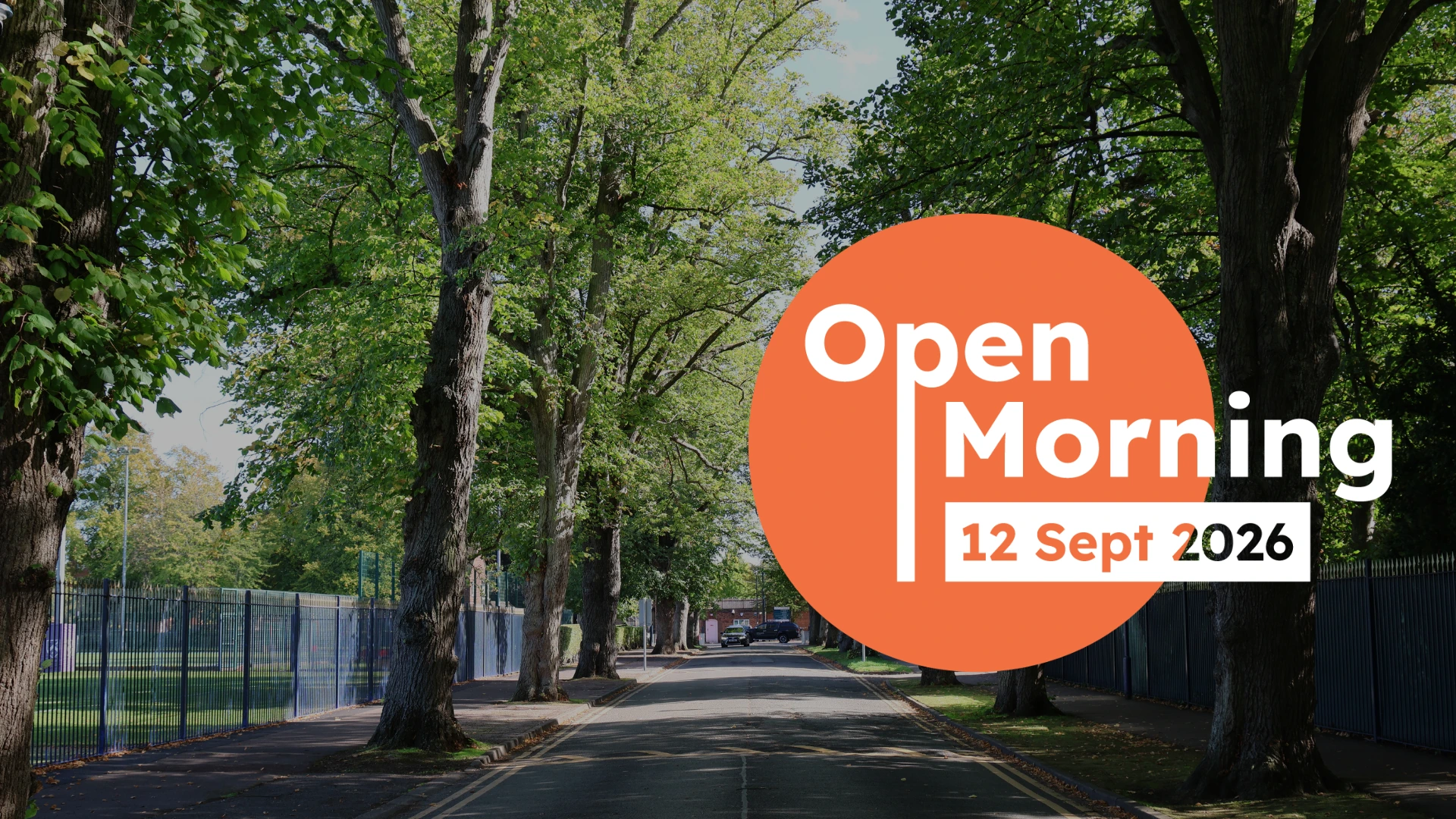
If you are considering Loughborough Schools Foundation, we would be delighted to welcome you to one of our Open Days. It’s the perfect opportunity to experience our schools first-hand, meet our pupils and staff, and discover what makes a Loughborough education so distinctive.

Written by
Claire Bale
Director of Marketing and Admissions at Loughborough Schools Foundation

Latest News:
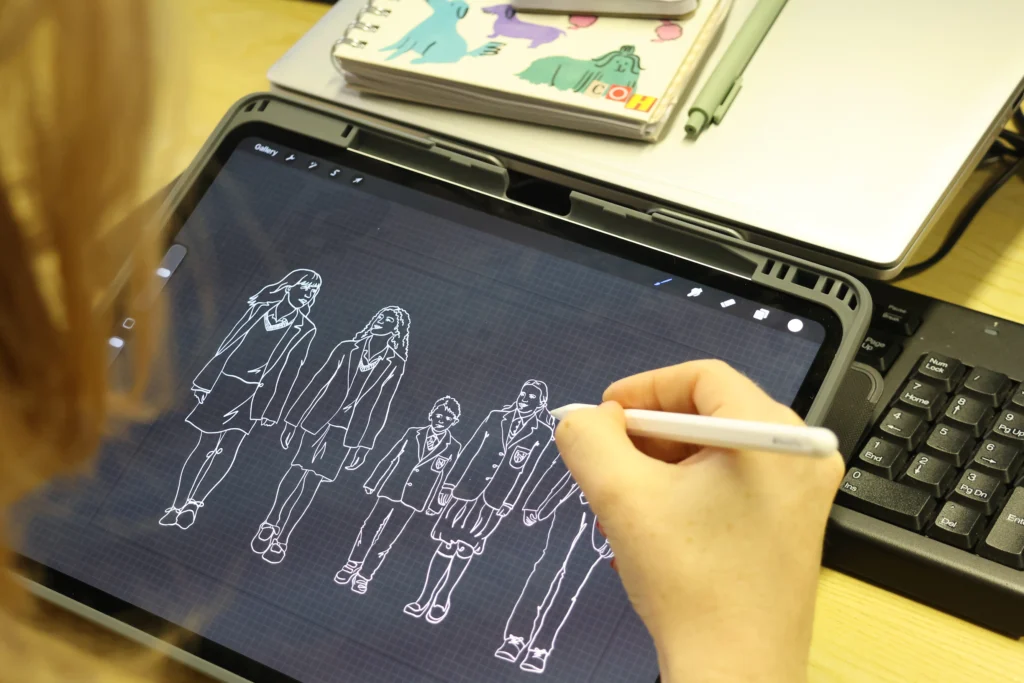
Thinking outside the box
How hand-drawn illustrations have transformed our digital marketing
When it comes to redeveloping the visual identity of a brand, it would be easy to turn to creative software as a first port of call – looking for unique digital assets, AI generated ideas or ways to modernise existing concepts. At Loughborough Schools Foundation, we took …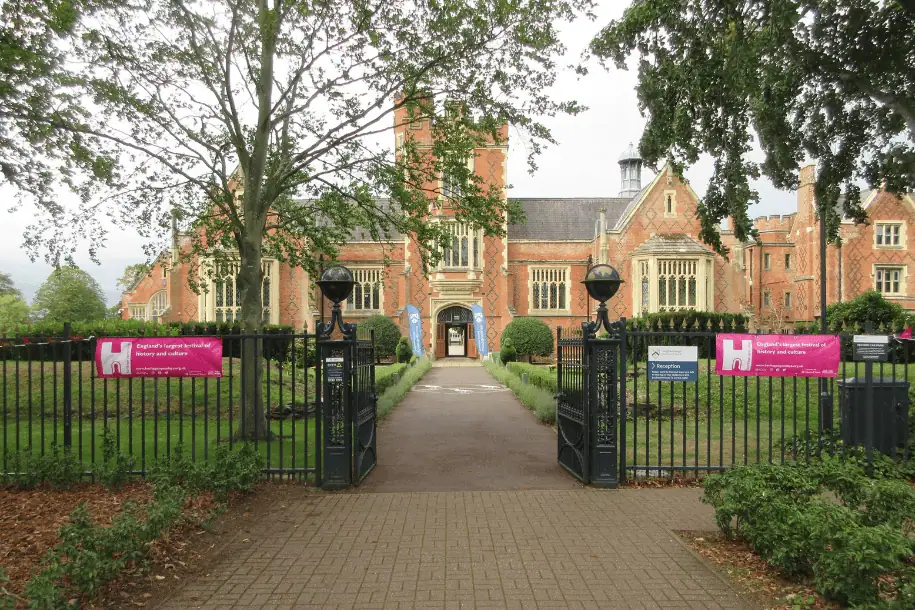
Heritage Open Day 2026