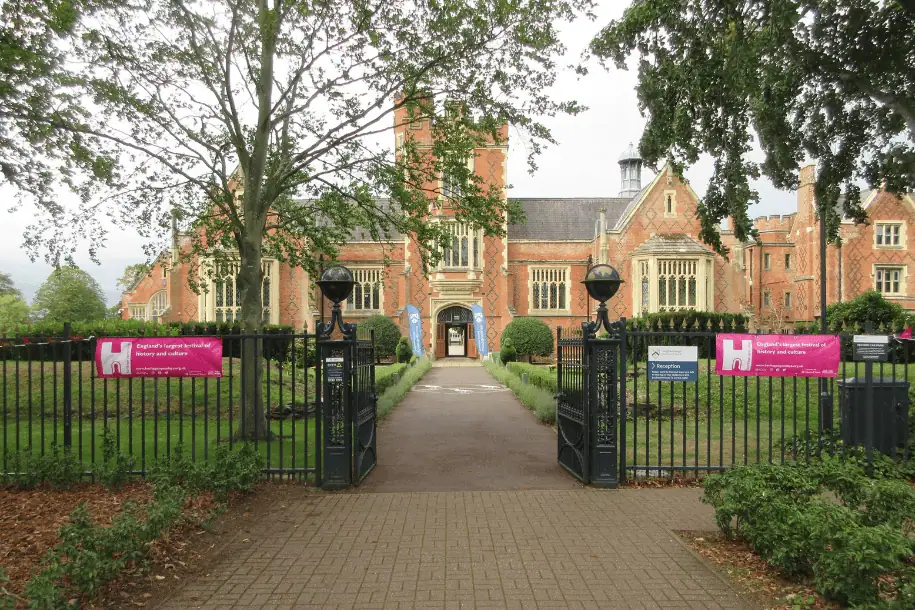
Rethinking school storytelling in a changing social media landscape

Why safeguarding must shape school social media
The Government’s recent announcement on new rules to protect children online has prompted an important conversation about young people, social media and safeguarding.
From Spring 2027, under-16s are expected to no longer be able to use certain social media platforms, with additional restrictions planned for high-risk features such as livestreaming and stranger contact for under-18s. The Government has framed the changes around reducing harm, improving wellbeing and giving young people more time for a healthier childhood.
For schools, this should prompt a wider reflection. If we are recognising that children need greater protection from social media, then those of us working in school marketing and communications also need to consider how we use those same platforms to tell children’s stories.
Children are growing up in a challenging online world. Images can be copied, screenshotted, shared, manipulated and taken out of context. Young people are navigating platforms that can expose them to bullying, harmful content, stranger contact, addictive design and pressures around appearance, popularity and comparison.
For schools, pupil imagery brings additional responsibility. A photograph of a child online can travel much further than intended and remain accessible for far longer than expected. Even when shared with positive intent, images can be scraped from websites, reused without permission, manipulated using AI tools or viewed by audiences far beyond the school community. A real-time trip update can reveal more context than is safe, and a name next to a full-face image can create an unnecessary level of identification.
None of this means schools should stop celebrating children. Pupil success, artwork, performances, sports matches, charitable work and everyday moments of pride are all part of school life. They help families feel connected and help pupils feel recognised. But celebration needs to be thoughtful, proportionate and rooted in safeguarding.
There is a line between celebrating pupils and overexposing them. It is not always easy to draw, but it is one schools should return to often.
At Loughborough Schools Foundation, this is something we have been thinking about carefully. We still celebrate pupil achievement, particularly where there is a clear public interest or a meaningful story to tell. That might include a pupil performing in the West End, being selected to represent their country, or achieving something nationally significant in sport, music, drama or academics. In those moments, where pupils and families are often already choosing to share those stories more widely, there is a clear role for schools to recognise and amplify success with care.
But for everyday storytelling, we have been exploring a broader and more safeguarding-conscious approach. We have shifted some of our focus towards staff expertise, trend-led content that does not rely on pupil participation, alumni stories that showcase the long-term impact of education, and examples of school life that do not always require pupils to be visually identifiable. We have also looked more carefully at the photography we use, choosing angles, context and composition that protect children while still conveying warmth and authenticity.
Consent is important, but it does not answer every ethical question. A child may agree to a photograph being taken without fully understanding what it means to be visible online. They may not understand how long an image can remain searchable, how it might be shared, how technology could change, or how they may feel about that image in five or ten years’ time.
That places a responsibility on adults to think beyond immediate permission. In schools, the question should not only be “Do we have consent?” but “Is this necessary, proportionate and in the child’s best interests?”
The changing social media landscape should be seen as a prompt, not a problem. It gives schools a chance to review their digital footprint, audit historic content, clarify who social media is for, and think more carefully about how stories are told.
Childhood does not need to become content creation. Schools can, and should, celebrate young people. But we should do so in ways that protect their privacy, preserve their dignity and recognise that the stories we share belong first to them.

Ike Wright
Digital & Creative Manager

Ike Wright is Digital & Creative Manager at Loughborough Schools Foundation, where she leads on digital marketing and creative design across the Foundation.
Since joining in June 2024, Ike has played a key role in strengthening the Foundation’s digital presence, supporting the move towards safer website practices and leading the design project for the Foundation’s five websites, work which was later mentioned by The Guardian.
Working as part of the Foundation’s marketing team, Ike has helped shape a more ethical and safeguarding-conscious approach to school marketing. In 2026, the team’s work to align marketing practice with safeguarding strategy was shortlisted for an AMCIS award, recognising the Foundation’s growing sector leadership in this area.
Ike specialises in ethical digital marketing for schools, with a focus on safer storytelling, safeguarding-led social media practice and reducing the risks associated with children’s data, image misuse and AI manipulation.
Latest News:
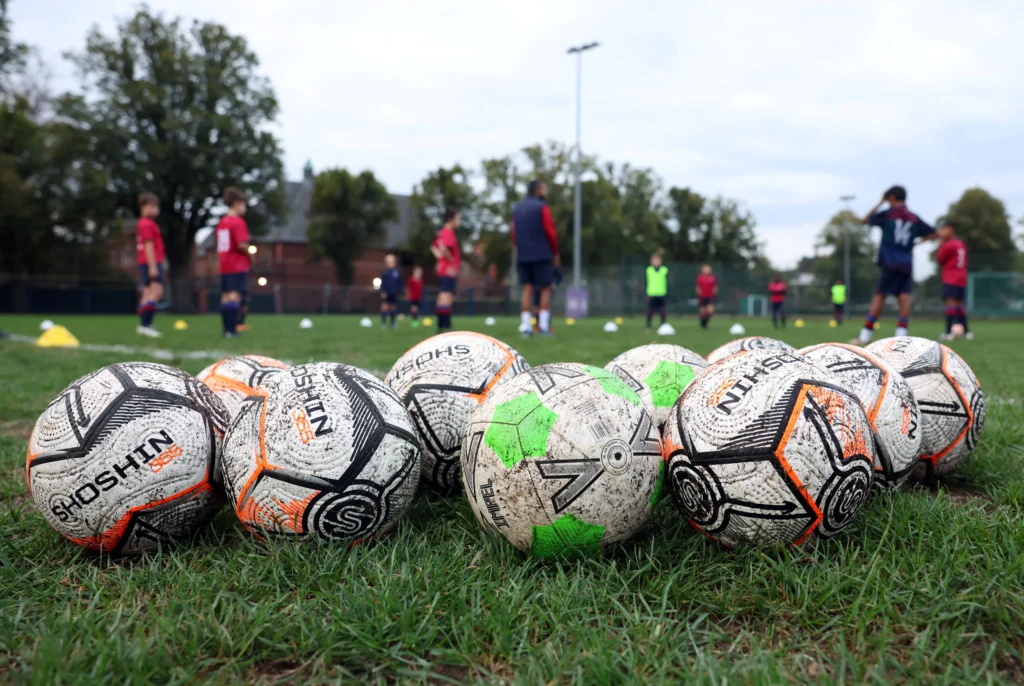
Significant investment in sport set to take facilities to the next level
How we’re securing the future of sport for generations to come
We’re delighted to share that a proposed investment in the future of sport at Loughborough Schools Foundation has been approved by the Foundation’s Board of Governors, subject to planning permission. The major investment includes plans for a new 3G sports pitch, as well as …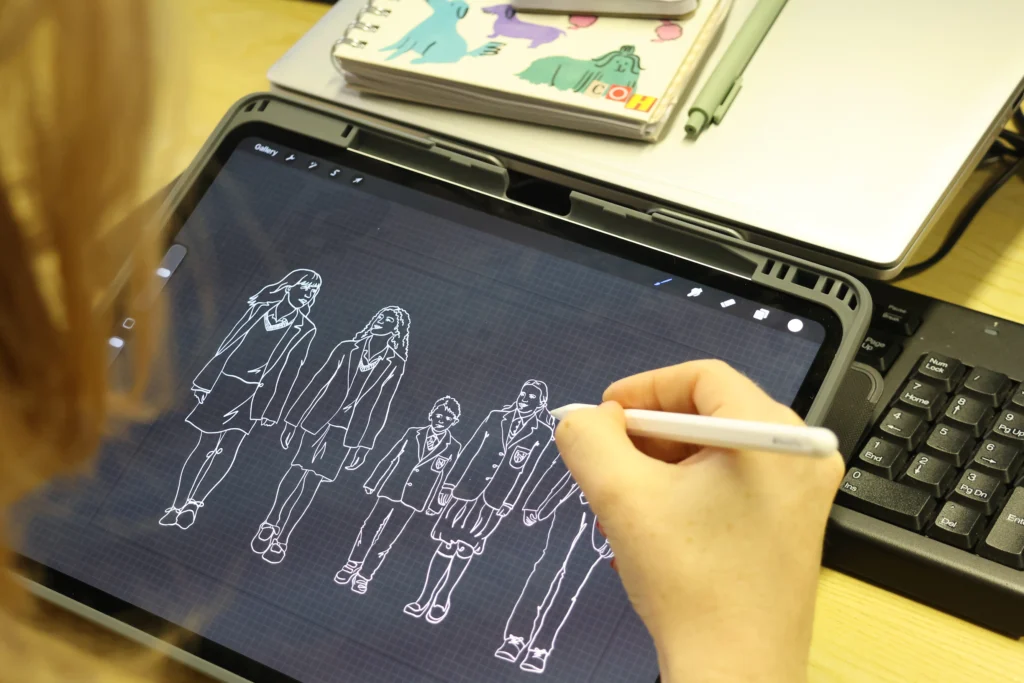
Thinking outside the box
How hand-drawn illustrations have transformed our digital marketing
When it comes to redeveloping the visual identity of a brand, it would be easy to turn to creative software as a first port of call – looking for unique digital assets, AI generated ideas or ways to modernise existing concepts. At Loughborough Schools Foundation, we took …